

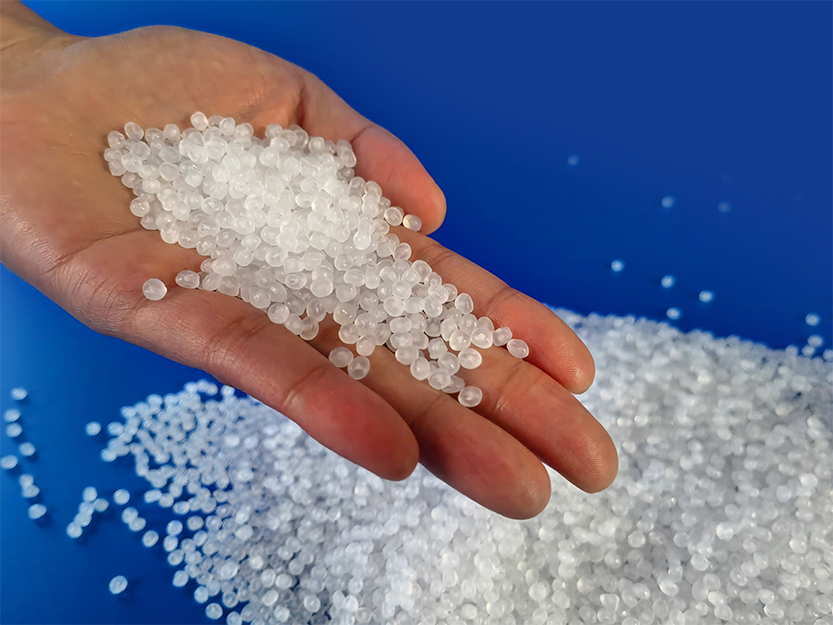
Choosing plastic material purely by price can create expensive manufacturing problems later. A dependable plastic resin manufacturer needs to provide materials that match the product’s required strength, appearance, processing method and working environment, while also delivering enough consistency for repeat production.
Different Applications Demand Different Properties
Plastic resin is not one uniform material. Different polymer families and grades can offer very different characteristics, including flexibility, stiffness, heat resistance, impact resistance and chemical compatibility.
This is why the finished product should guide the selection. A food container, automotive component, pipe fitting and electrical housing may all need completely different material behaviour, even if each is produced from plastic.
Designers should consider where the product will be used. Will it sit outdoors? Does it need to flex repeatedly? Will it come into contact with chemicals? Is weight critical? Does the surface need to look particularly clean or glossy?
Answering these questions early helps narrow the material choices and reduces the risk of selecting a grade that processes well but performs poorly once the product is in use.
Processing Behaviour Matters To Manufacturers
A resin has to work with the production process as well as the final application. Melt flow, shrinkage and processing temperature can all affect injection moulding, extrusion or other manufacturing methods.
Changing resin grade may require machine settings to change too. If the material behaves differently from the previous supply, cycle times, dimensions or surface quality may be affected.
Manufacturers therefore value consistency. When batches behave predictably, operators can maintain stable settings and reduce scrap. Large variations create more adjustment and make quality control harder.
Before approving a material for high-volume production, trials can help confirm how it behaves under actual manufacturing conditions rather than relying only on specification data.
Colour And Appearance Can Be Commercial Requirements
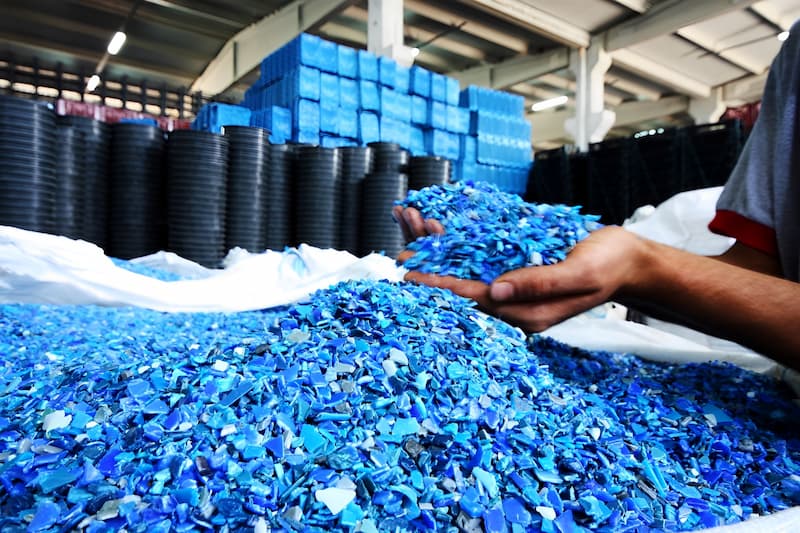
For consumer-facing products, appearance may be just as important as mechanical performance. Colour consistency, gloss, transparency and surface finish can all influence whether the finished item meets the customer’s expectation.
This becomes especially important when components are produced in several factories or over long periods. Small differences between resin batches may become visible when finished parts are placed side by side.
Specification and quality standards should therefore include cosmetic requirements where these matter. An engineering component hidden inside a machine may have very different acceptance criteria from a visible household product.
Knowing which characteristics are critical allows quality control to focus on the areas that genuinely affect the product.
Supply Continuity Should Be Part Of Material Approval
Once a resin has been approved and manufacturing settings have been established around it, changing material can create additional testing and risk. This makes long-term availability an important factor in supplier selection.
Businesses should understand expected lead times, production capacity and what happens if a particular grade becomes difficult to obtain. Where the material is critical, alternative grades may need to be assessed in advance rather than during a shortage.
Documentation can also matter where products have regulatory, safety or customer-specific requirements. The supplier should be able to provide the information needed to support the buyer’s quality process.
The right resin choice supports both manufacturing and product performance. When application requirements, processing behaviour and supply reliability are considered together, material selection becomes a source of consistency rather than an ongoing production problem.
Comments are closed.